A Comprehensive Guide to Imported Engine Parts: What You Need to Know Before Making a Purchase
When exploring the world of imported engine parts, a number of elements require thoughtful evaluation. Quality, compatibility, and pricing play critical roles in ensuring ideal vehicle performance. It is important to identify the signs of quality and to confirm that components satisfy particular vehicle specifications. Additionally, selecting reliable suppliers can greatly influence the overall experience. Understanding these elements will help in making informed decisions, though many continue to miss critical details that may affect their buying decisions.
The Importance of Imported Engine Parts
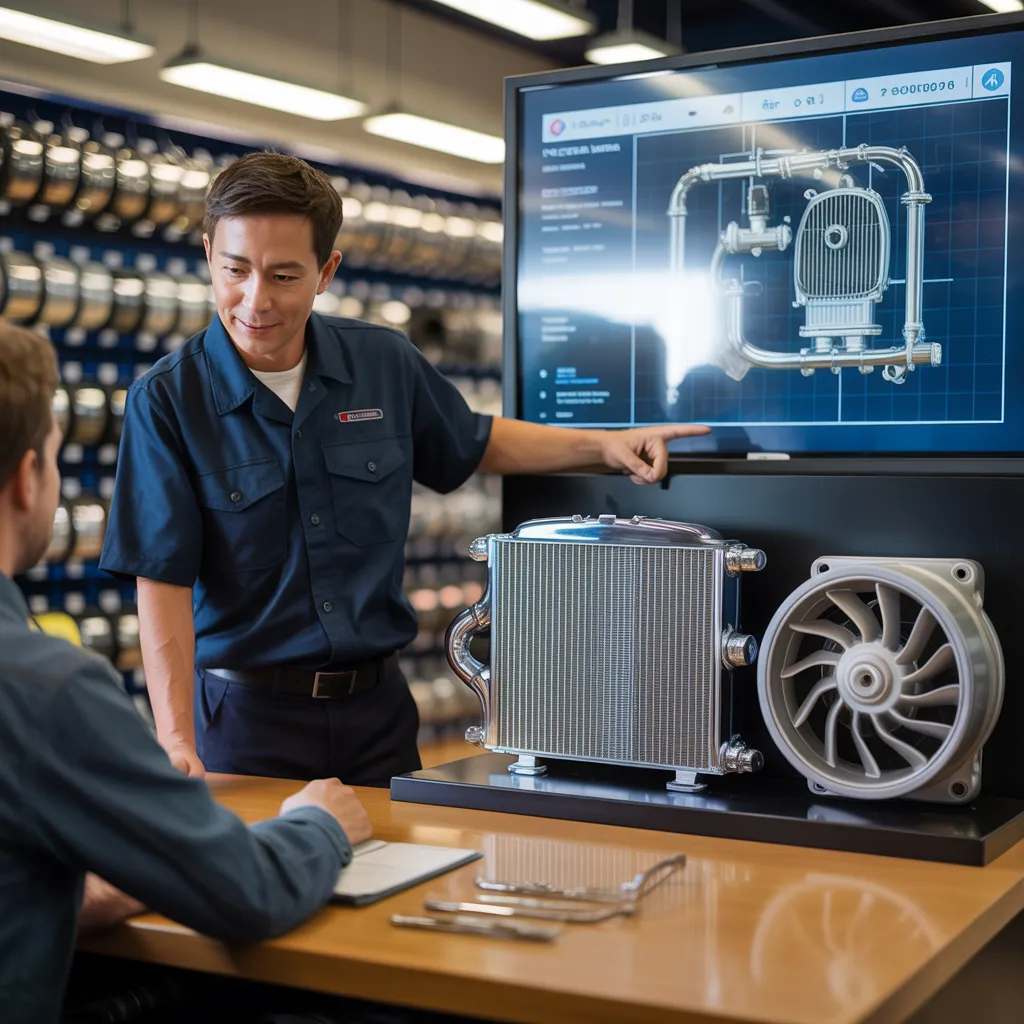
Imported engine parts hold considerable importance in the automotive industry, as they commonly deliver superior quality and performance when measured against domestically manufactured options. Producers from nations celebrated for their engineering expertise, such as renowned nations like Germany and Japan, produce components that frequently incorporate sophisticated technologies and high-grade materials. These foreign-sourced parts can significantly boost vehicular discover the facts reliability, operational efficiency, and overall performance, rendering them an attractive option for manufacturers and consumers alike.
Furthermore, the international market encourages competition, fueling innovation and stabilizing market prices. Consequently, industry specialists routinely seek imported elements to guarantee their vehicles match or outperform industry standards. Additionally, the availability of a wide range of imported engine parts empowers mechanics and enthusiasts to personalize vehicles to their requirements, enhancing both performance and visual appeal. Ultimately, the incorporation of imported engine parts plays a vital role in the ongoing evolution of the automotive sector, supporting a more vibrant and progressive landscape.
Measuring Quality: Critical Indicators in Engine Components
When assessing the caliber of engine components, multiple important criteria are necessary for sound decision-making. To begin, materials serve a fundamental purpose; high-quality components often utilize durable metals or advanced composites that resist wear and corrosion. Additionally, fabrication techniques warrant close inspection; exact manufacturing practices and conformity to established industry standards often signal outstanding quality. Furthermore, manufacturer reputation and industry-recognized certifications shed light on product reliability and capabilities. Companies with a history of excellence are often more trustworthy.
Moreover, rigorous quality control and testing measures are critical; elements subjected to thorough examinations are less susceptible to malfunction. Finally, guarantee options can signal assurance in the component's resilience. A comprehensive grasp of these criteria allows customers to differentiate premium engine parts from low-quality choices, guaranteeing improved function and durability for their automobiles.
Guaranteeing Compatibility of Imported Components
Ensuring compatibility of engine parts is essential for ideal vehicle performance, as mismatched components can lead to inefficiencies and costly repairs. When considering imported parts, it is important to reference the vehicle's specifications and manufacturers' guidelines. Each engine has unique requirements, including size, fit, and functionality, which must align with the imported component.
Moreover, checking part numbers against references can be useful in verifying compatibility, as most manufacturers keep databases for verification purposes. Understanding the source of the parts is also significant; various regions may have varying standards and specifications.
Seeking advice from professionals or technicians knowledgeable about the specific engine type can deliver useful guidance, while owner testimonials may provide real-world perspectives regarding fitment. Ultimately, detailed investigation and meticulous assessment of each aspect will support sound decision-making, ensuring that the imported parts will function harmoniously within the automobile's existing system.
Discovering the Best Deals on Parts
In the search for budget-friendly imported engine parts, comparing multiple suppliers is essential. Such a strategy enables a comprehensive review of prices and options available in the market. Furthermore, checking online marketplaces can uncover competitive deals that may not be found via conventional retail outlets.
Review Multiple Vendors
Many vendors offer a broad variety of imported automotive components, highlighting the importance of effective price comparison for buyers. By obtaining quotes from multiple vendors, purchasers can better understand market rates and pinpoint favorable pricing. This process involves not only evaluating the listed prices but also considering shipping costs, potential tariffs, and warranty options. Furthermore, purchasers should evaluate the credibility and dependability of every vendor, since product quality can significantly influence the total cost of ownership. Reviews and ratings from previous customers can provide valuable information regarding the supplier's service and product quality. In the end, a comprehensive evaluation enables purchasers to reach well-informed conclusions, making certain they achieve the most favorable deal on their imported automotive parts.
Search Online Marketplaces
How should buyers approach navigating the extensive selection of online marketplaces to discover the lowest prices for imported auto engine components? First, conducting thorough research across various platforms is essential. Platforms such as eBay, Amazon, and dedicated auto parts retailers frequently offer competitive pricing. Purchasers ought to apply filters to reduce their choices according to brand, price, and condition—new or used. Furthermore, reviewing customer feedback and seller ratings can offer valuable information about product quality and dependability. It is equally important to review return policies, confirming that items can be sent back when needed. Lastly, signing up for price drop notifications can assist buyers in taking advantage of deals as they appear. Through the use of these approaches, buyers can enhance their search for cost-effective imported engine parts.
Identifying Reputable Suppliers and Brands
Selecting reputable suppliers and reputable brands is critical for ensuring the standard and durability of sourced engine parts. Purchasers should conduct thorough research to find suppliers with positive reviews and a strong reputation within the auto industry. Reputable suppliers often provide thorough product information, warranties, and after-sales service, which can be signs of their reliability.
You should opt for brands known for their manufacturing standards and quality control processes. Industry certifications and awards can act as reference points for assessing a brand's reliability. Furthermore, participating in forums and conversations among car enthusiasts can offer valuable information about reliable suppliers.
Finally, confirming the supplier's after-sales service and return policy is crucial. A reliable provider will support their merchandise, providing assistance in case of faults or concerns. This method not only improves the procurement process but also supports the reliability and overall performance of the mechanical components.
Typical Pitfalls to Avoid When Shopping for Engine Parts
When buying engine parts, buyers often overlook key elements that can lead to significant oversights. A frequent mistake is failing to verify compatibility with their vehicle's manufacturer and model, which can result in unnecessary expenses and delays due to unsuitable parts. Additionally, some buyers neglect to research the quality and authenticity of imported parts, leading to diminished performance and possible safety risks.
A frequent error is failing to account for the warranty or return policy. Most buyers mistakenly think that all parts come with coverage, which can leave them vulnerable if a part fails prematurely. Additionally, failing to account for shipping fees and transit periods can interfere with planned repair or build deadlines. Lastly, buyers may rush through the purchasing process, overlooking critical information including part details and customer feedback. By sidestepping these errors, buyers can arrive at smarter buying choices, ensuring a smoother experience when sourcing imported engine parts.
Recommendations for Effective Mounting of Imported Parts
Achieving a successful installation of imported engine parts calls for careful consideration of several essential factors. Using the correct tools, following manufacturer specifications, and confirming parts compatibility are vital steps toward a smooth installation process. By applying these guidelines, technicians can improve both the performance and durability of the engine assembly.
Necessary Tools Required
Multiple tools are crucial for the effective installation of aftermarket engine parts, securing precision and effectiveness throughout the procedure. A torque wrench is indispensable for ensuring the correct force is applied to bolts, reducing the risk of damage or failure. Assorted socket sets are essential for accessing different fasteners, while a ratchet can speed up the process. Pliers and screwdrivers are also essential for dealing with smaller parts. A mechanic's creeper can boost comfort and access during the overall installation. Furthermore, having a comprehensive set of metric and standard wrenches will meet different part specifications. Above all, safety gear, like gloves and safety goggles, should not be overlooked to secure a safe working environment. Proper tools facilitate a smoother installation experience.
Follow Manufacturer Guidelines
Following manufacturer specifications is essential for the proper fitting of imported engine parts. Adhering to these requirements guarantees that components are properly installed and operate as designed. Each manufacturer provides comprehensive guidance concerning alignment, torque settings, and required tools, which are essential for maximum efficiency. Overlooking these specifications can lead to safety hazards, improper fitting, or potential damage to the engine. Moreover, utilizing the manufacturer-recommended lubricants and sealants as directed will extend the lifespan of the parts. It is further recommended to seek guidance from the manufacturer's technical team if doubts occur during fitting. By meticulously observing these guidelines meticulously, vehicle owners can protect their investment and copyright the performance of their vehicle's engine system.
Check for Compatible Parts
Confirming compatibility between imported engine parts and the original parts is necessary for efficient assembly and superior engine output. Before acquiring parts, one must confirm technical details, including physical dimensions, construction materials, and design features. Cross-referencing part numbers with manufacturer databases guarantees that the sourced parts will integrate perfectly. Additionally, seeking out user reviews and discussion boards can reveal important details regarding the experiences of other users, identifying frequent problems or positive outcomes. It is further suggested to check for warranties or return policies, giving buyers a remedy if items underperform. Finally, consulting a skilled mechanic experienced with foreign components can increase the chances of a perfect fit, minimizing the risk of damage during the fitting process. Proper compatibility remains the cornerstone of superior engine operation.
Common Questions and Answers
Is There a Warranty on Imported Engine Parts?
Imported aftermarket engine parts generally include a warranty, but terms of coverage vary among manufacturers and suppliers. Buyers should carefully examine the specific terms and conditions to understand what is included and any potential limitations.
How Can I Confirm a Part's Authenticity?
To verify a component's authenticity, you should check the maker's identifiers, inspect the container for tampering, reach out to official dealers, and utilize digital databases or tools that track legitimate parts to ensure accurate recognition.
What Import Regulations Do I Need to Know About?
Import rules encompass understanding tariffs, customs duties, safety standards, and emission regulations. Following these requirements is necessary to prevent penalties and ensure that parts meet both legal and quality standards for proper vehicle functioning.
What Happens if Imported Parts Don't Fit Can I Return Them?
Processing returns for imported parts typically depends on the supplier's return terms. If the parts do not fit, customers should review the specific terms regarding returns, including potential restocking charges or applicable conditions.
How Do I Maintain Imported Engine Parts Effectively?
In order to keep imported engine parts in optimal condition, routine inspections, adequate lubrication, and adherence to manufacturer guidelines are necessary. Keeping parts clean and tracking wear patterns can increase their longevity and guarantee peak performance in a variety of conditions.